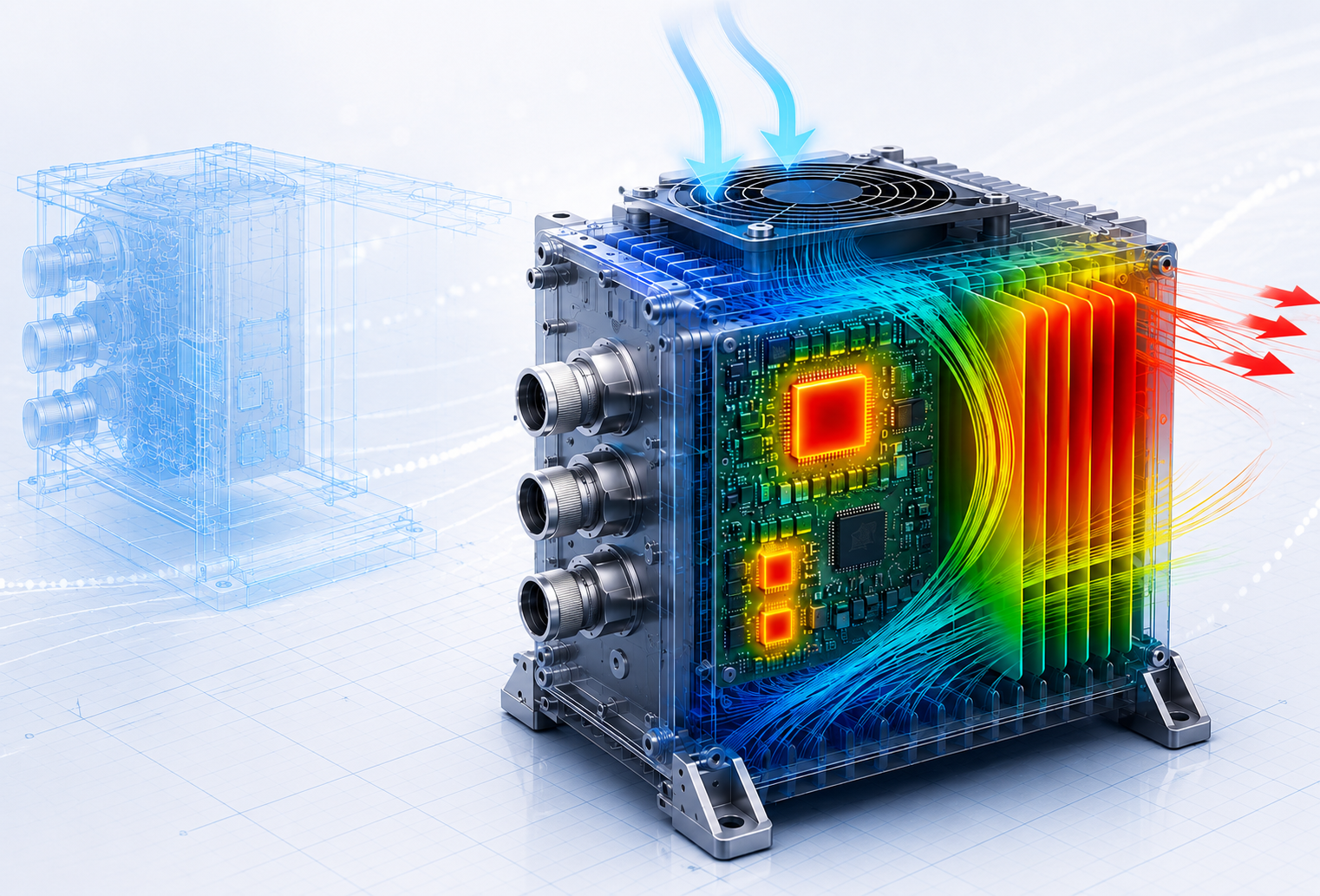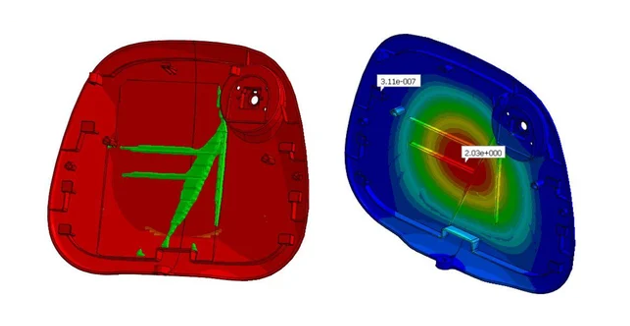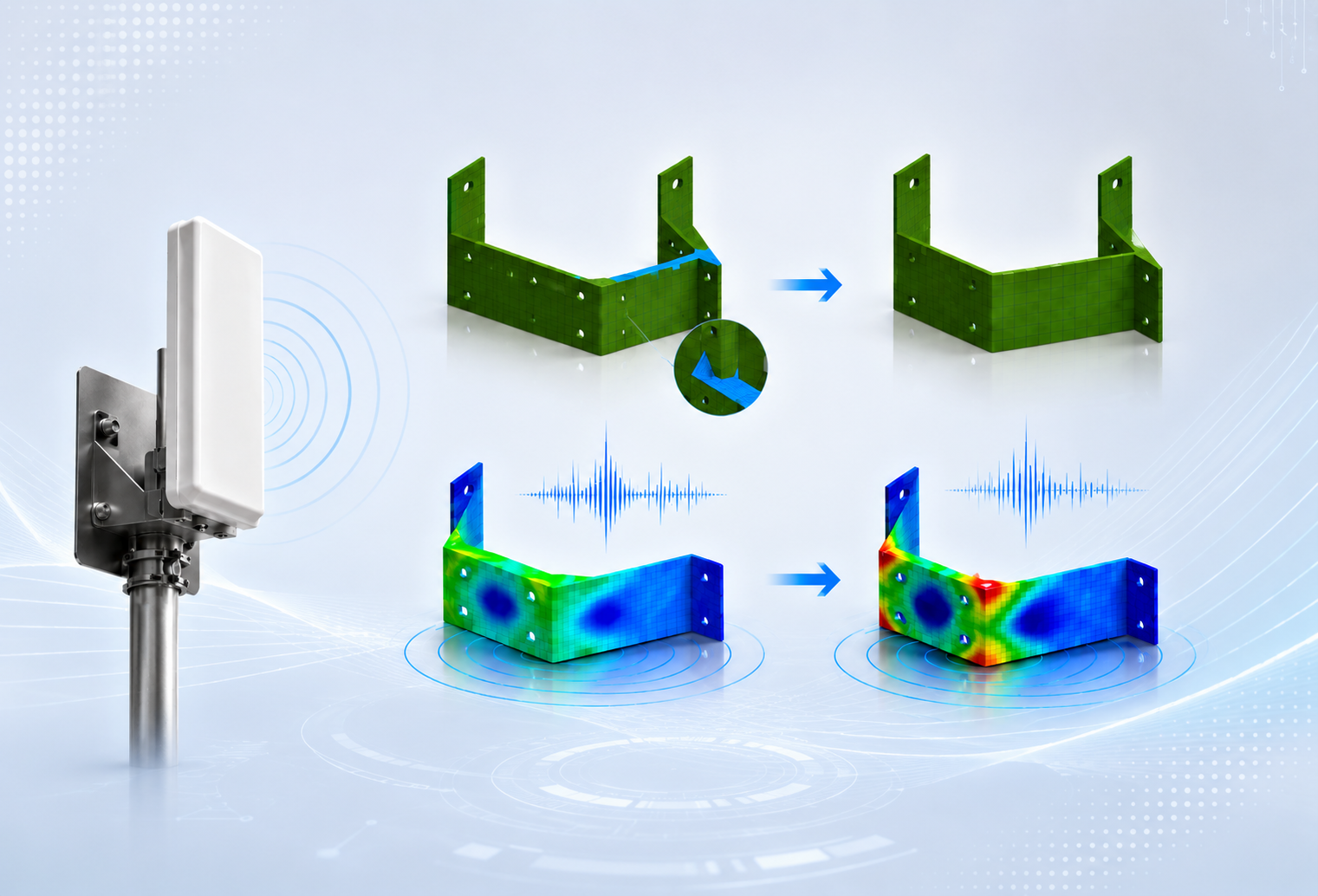
Airflow distribution and thermal uniformity within process chambers play a crucial role in semiconductor wafer manufacturing. CFD analysis enables engineers to evaluate flow behavior, predict wafer temperature distribution, and optimize chamber designs to improve process stability, product quality, and production yield.
1. Can Wafer Yield Be Predicted Using CFD Analysis?
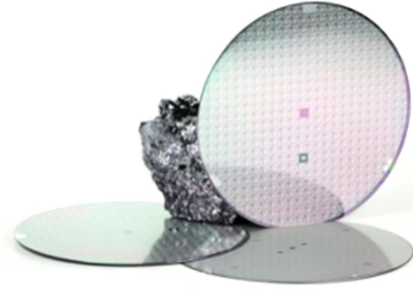
Semiconductor Wafer
With the rapid advancement of technologies such as smartphones, electric vehicles, and AI systems, demand for semiconductors continues to grow.
Ensuring high-quality wafer production requires increasingly sophisticated process management throughout manufacturing. Wafer quality prediction has therefore become a key factor in both productivity and cost competitiveness.
Since measuring every wafer under all process conditions is impractical, simulation-based approaches provide an efficient alternative. CFD analysis enables engineers to evaluate wafer yield under various operating conditions by incorporating key process parameters and environmental factors into a virtual model.
Wafer manufacturing processes used in semiconductor and photovoltaic industries require high productivity while maintaining strict quality standards. Because direct experimentation on process chambers and operating conditions is often expensive and time-consuming, CFD simulation provides an effective approach for predicting gas flow distribution and wafer surface temperature behavior within the chamber.
2. Why Is CFD Analysis of Chamber Airflow and Wafer Temperature Distribution Important?
For semiconductor manufacturing processes, airflow behavior and wafer temperature distribution inside a chamber have a direct impact on process uniformity, product quality, and overall production yield. Even small variations in gas flow patterns can create stagnation zones, recirculation regions, or non-uniform temperature distributions across the wafer surface, leading to inconsistent process results and reduced manufacturing efficiency.
CFD analysis provides a cost-effective and efficient method for evaluating these phenomena without extensive physical testing. By accurately predicting chamber airflow characteristics, heat transfer behavior, and wafer temperature distribution, engineers can identify potential performance issues, optimize chamber designs, improve thermal uniformity, and enhance process stability. As a result, CFD has become an essential tool for reducing development time, minimizing experimental costs, and achieving higher wafer yield and product reliability.
3. What Should Be Considered in Conjugate Heat Transfer Analysis of Communication Equipment?
When analyzing chamber airflow and wafer temperature distribution, several factors must be carefully considered to accurately predict process performance and wafer yield. Airflow uniformity within the chamber plays a critical role in determining how process gases are distributed across the wafer surface. Non-uniform flow patterns can lead to stagnation regions, recirculation zones, and uneven gas exposure, which may negatively affect process consistency and product quality.
Temperature distribution is another key consideration. Variations in wafer temperature can significantly influence deposition rates, etching performance, material properties, and overall process uniformity. Therefore, both airflow behavior and heat transfer mechanisms should be evaluated simultaneously to understand their combined impact on wafer processing.
In addition, chamber geometry, inlet and outlet configurations, gas flow rates, operating pressure, and thermal boundary conditions can all affect flow characteristics and temperature behavior. Changes in nozzle locations, chamber design, or cooling conditions may alter gas distribution and thermal uniformity throughout the process chamber.
This example investigates airflow characteristics and wafer temperature evolution inside a process chamber using CFD analysis. The objective is to evaluate flow distribution, identify potential stagnation and recirculation regions, assess wafer temperature uniformity, and understand how chamber design and operating conditions influence process stability, product quality, and overall wafer yield.
list view