

Overview
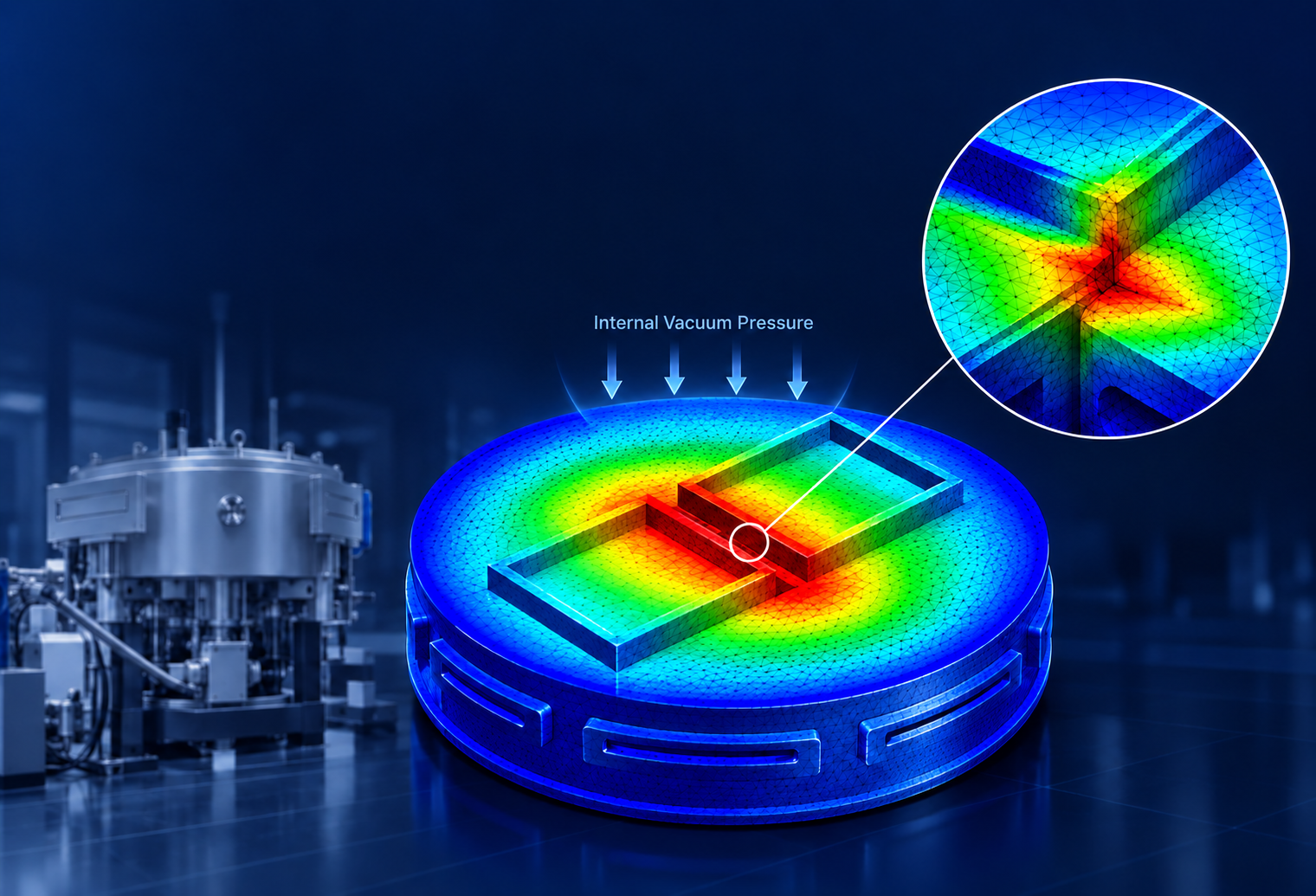
Due to the nature of equipment used in semiconductor processes, a vacuum pump is always used during operation to maintain a constant internal vacuum state. Vacuum pressure acts in the opposite direction to typical pressure expansion, and we will explore how this can be analyzed and verified using a transfer chamber example.
1. Structural Safety Review of a Transfer Chamber Under Internal Vacuum Pressure
Vacuum is often described by analogy with outer space — a space in which no particles of any kind exist.
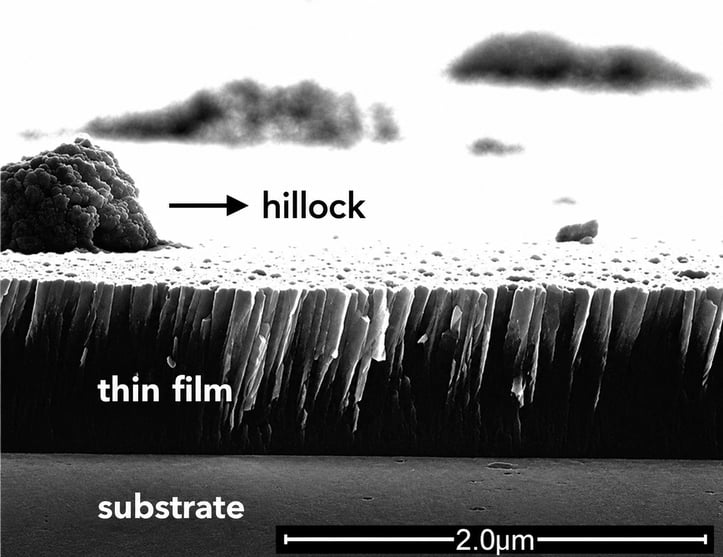
Most stages of semiconductor processing, including deposition, thin-film, and photolithography, require a vacuum state inside the structure, and defects such as hillocks can occur due to residual contaminants.
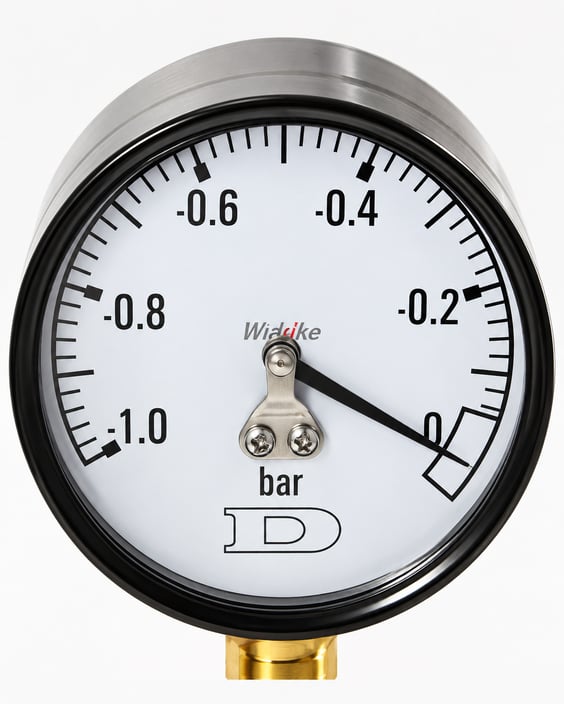
When the interior of a structure is in a vacuum state, "vacuum pressure" is generated by surrounding particles acting inward toward the lower-pressure interior. In the case of a complete vacuum, a vacuum pressure of up to 1 atm — comparable to the surrounding atmospheric pressure — can develop.
2. Why is a vacuum pressure review necessary for semiconductor structures?
The transfer chamber structure covered in this topic is constantly exposed to vacuum conditions between processes due to the nature of semiconductor manufacturing. Although invisible to the naked eye, air is composed of various particles, and during semiconductor processes such as deposition and thin-film processing, these particles can act as contaminants that introduce defects onto target surfaces. For this reason, semiconductor equipment employs vacuum pumps to maintain a continuous vacuum state.
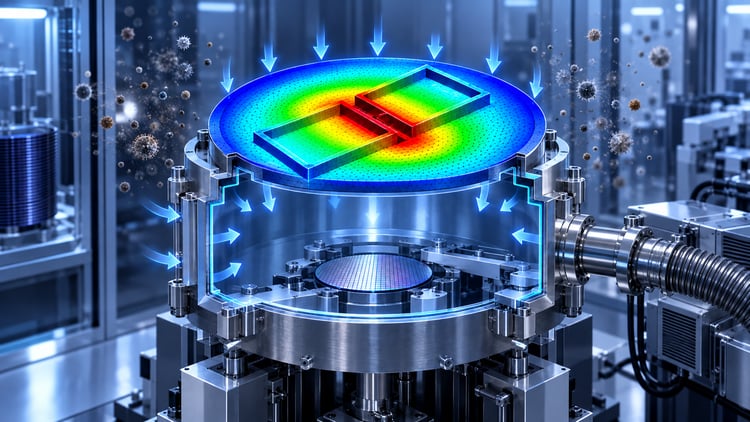
The fact that a vacuum state must always be maintained in semiconductor processes means, in other words, that vacuum pressure causing inward contraction of the structure is constantly applied, and structural safety must therefore be ensured at all times. If permanent deformation exceeding the yield strength were to continuously occur in the structure, it could not only lead to structural failure but also make it difficult to maintain the vacuum state.
3. How can vacuum pressure be numerically defined and evaluated?
The easiest way to understand vacuum is by analogy with outer space. In space, no particles exist, and it is said that no physical phenomena such as fluid flow, pressure, friction, or resistance are present. In contrast, on Earth where we live, the atmosphere is composed of various particles and components, and equal atmospheric pressure acts on both the inside and outside of structures.
What would happen if the interior of a chamber were to reach a perfect vacuum? Since atmospheric pressure remains the same on the outside while the interior has no pressure due to the removal of particles, the structure could contract inward under an atmospheric pressure of up to 1 atm. Although achieving a perfect vacuum is said to be impossible in practice, numerical analysis assumes a conservative scenario and performs evaluations based on a vacuum pressure of 1 atm.
.....
Explore the Full Resource
Get practical insights, proven approaches, and real-world engineering examples