

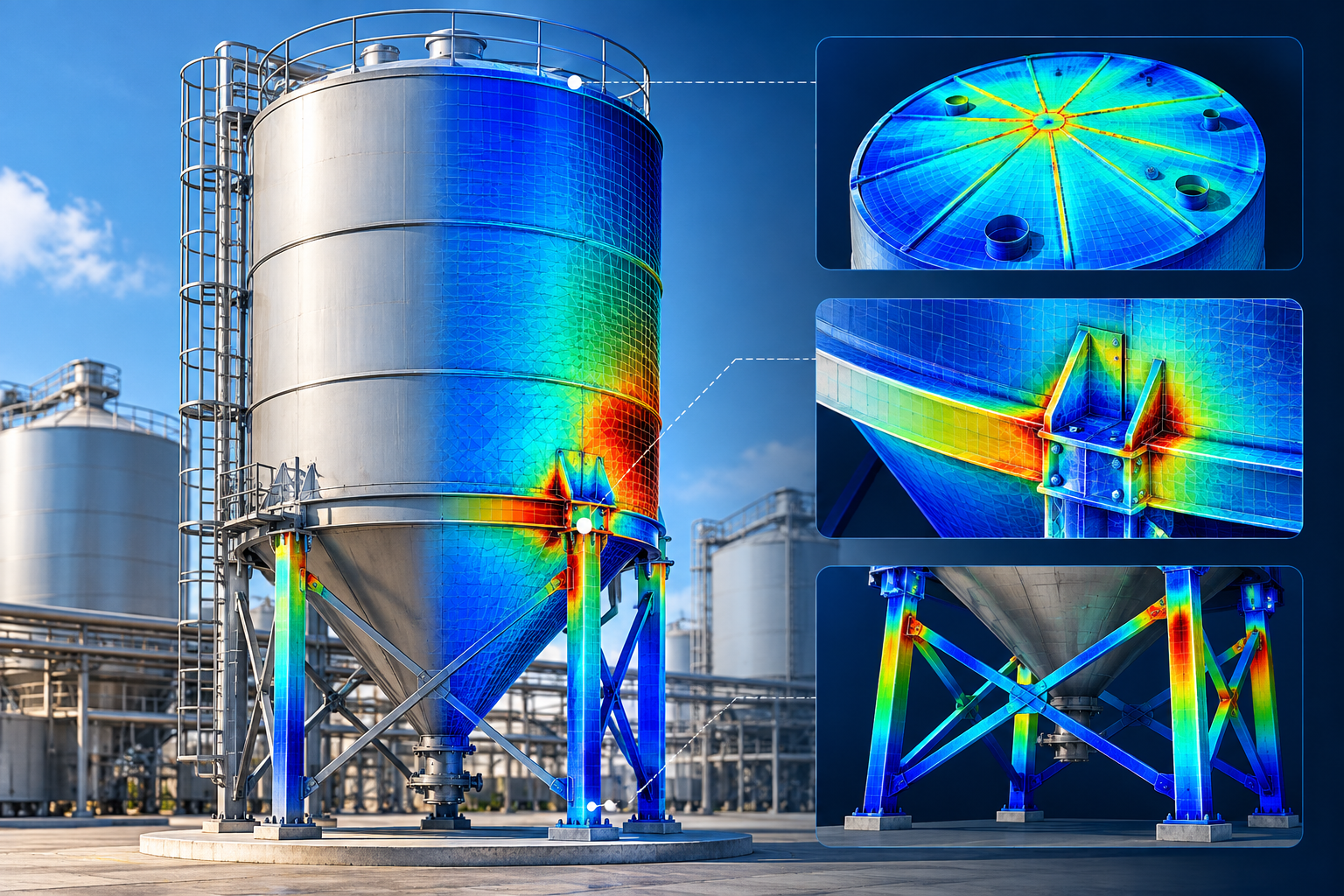
Overview
1. Thickness Optimization Analysis of Silo Tank under Granular Material Load
Today's topic is "thickness optimization" of structures.
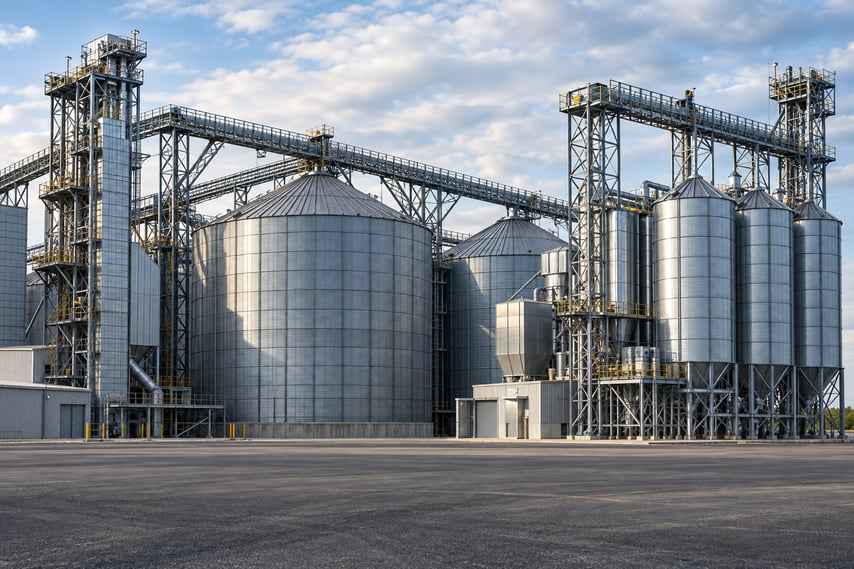
Storage tank illustration
Storage tanks are widely used to store various materials such as powders, fluids, and solids.
Storage tanks are highly susceptible to failure because all gravity loads, wind loads, seismic loads, and other forces are concentrated on the tank walls and support frames.
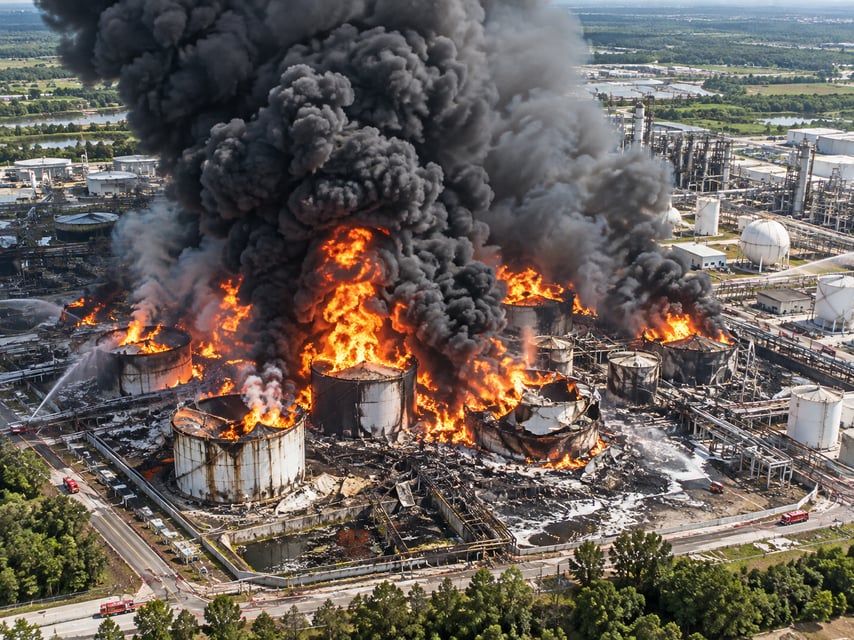
Storage tank accident
They range from small water tanks to large hazardous material storage silos that exceed the size of buildings.
If a structure fails, the resulting damage can be extremely severe depending on the type of stored contents and the surrounding environment; therefore, a prior review of structural safety is essential.
2. Why is it necessary to review thickness optimization analysis for structures?
The Silo structure, the subject of this topic, is one of the large-scale storage tanks used in industrial applications. A storage tank is essentially a vessel that stores solids, fluids, gases, and other materials. It is used to store a wide variety of substances ranging from grains, water, and powder to coal, LPG, and hazardous materials. Tanks exist in a wide range of sizes, from small units comparable in size to a person to massive structures larger than buildings. As the size increases, the volume of stored contents grows, which in turn increases the pressure exerted on the tank walls and supporting structures.
From a structural safety perspective, a thicker wall is naturally safer. However, if the cost of installation far exceeds the economic benefit of storing goods, it can result in a net loss. Conversely, walls that are too thin may rupture and, depending on the stored material, can even lead to explosion accidents — an extremely dangerous situation. In structural design, we are always engaged in a trade-off between cost and safety in pursuit of an optimized and efficient design.
.....
Explore the Full Resource
Get practical insights, proven approaches, and real-world engineering examples