

Overview
1. Heat Transfer Analysis Review for Optimal LED Heat Dissipation Design
The topic we will cover today is "Optimal Heat Dissipation Design" for structures.
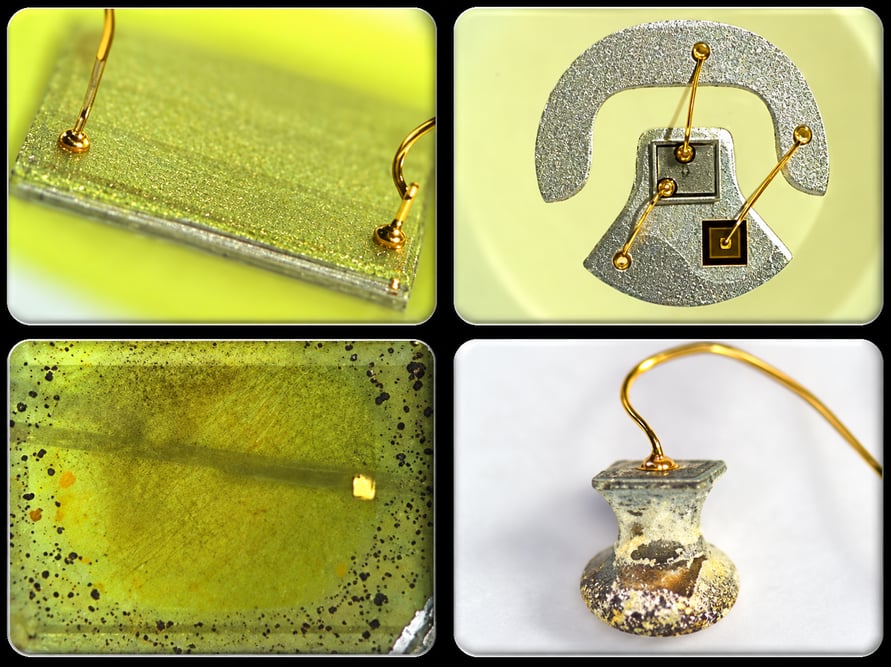
One of the most vulnerable factors in electronic products is the component known as "heat."
When temperatures are high, control elements or certain components may experience significant performance degradation, shortened lifespan, or failure.
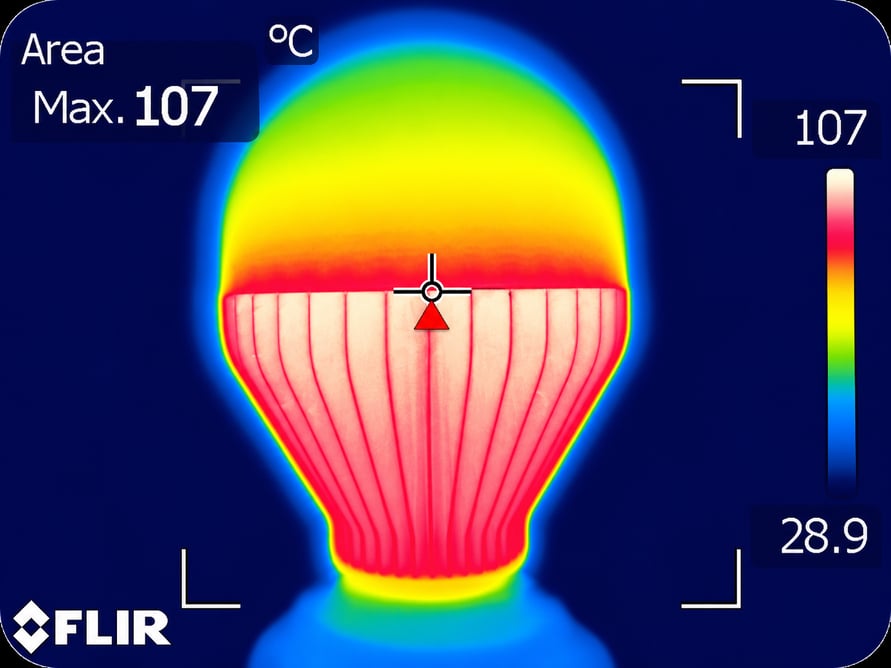
The heat or temperature of a product is generally measured using a thermal imaging camera or verified by creating controlled conditions through experimentation.
However, since it is very difficult to examine in detail the temperature changes inside a product, a "heat transfer analysis" approach is used.
2. Why is a heat transfer analysis review necessary for structures?
All electronic equipment, including the LED lighting that is the subject of this discussion, is exposed to heat both internally and externally. Just as people suffer or unexpected accidents occur during summer heat waves, high temperatures in products can also cause many accidents. If a product simply fails functionally due to damage, it can be replaced; however, heat-related accidents carry a very high probability of causing fires, making heat one of the components that must be managed with great care.
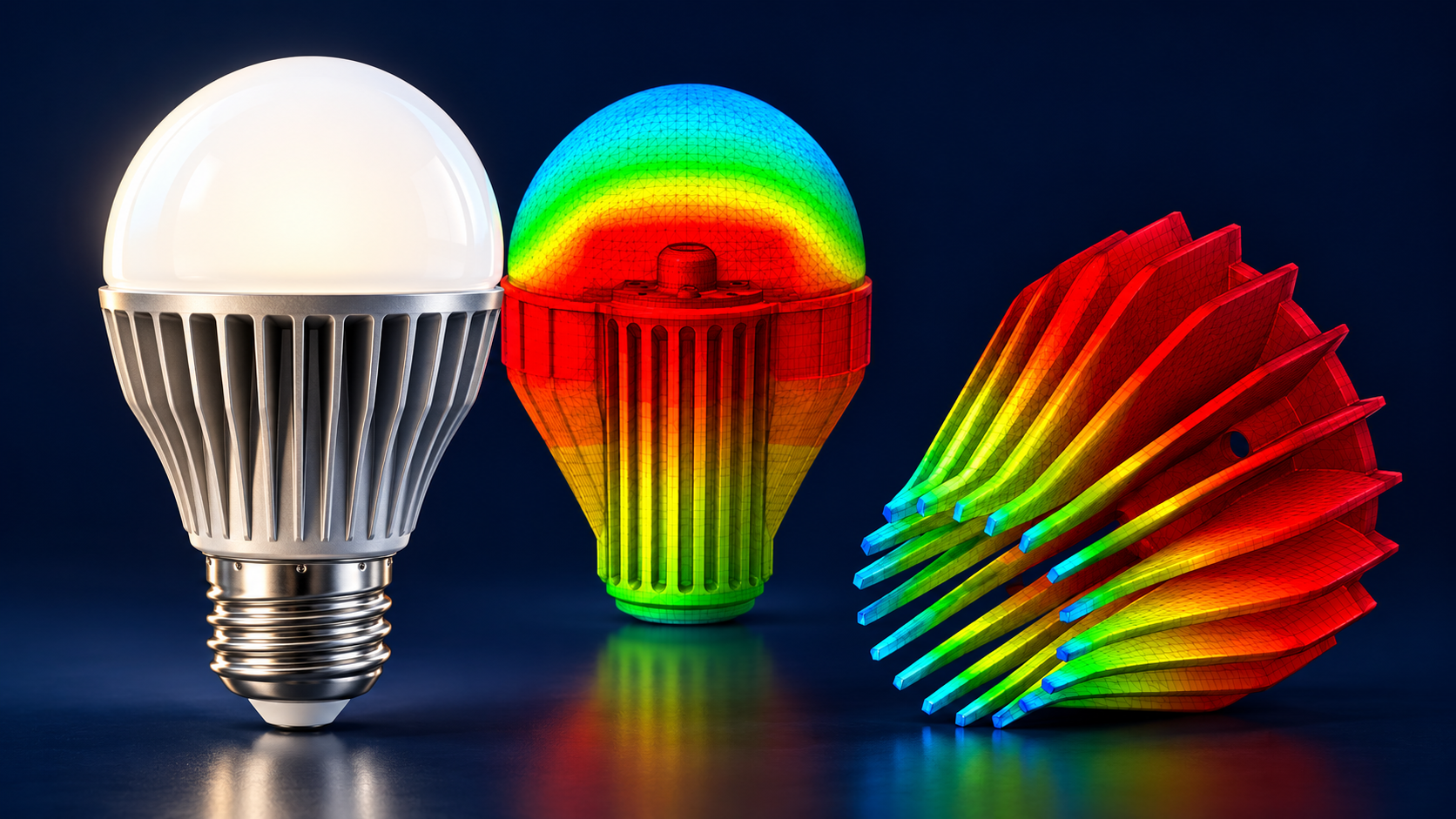
We experience heat through the sensation of warmth in many ways, but it is difficult to confirm precise values at specific locations. Temperature is generally measured using a thermal imaging camera or a thermocouple contact sensor, but it is extremely difficult to check the internal temperature in detail. To address this, CAE is used to simulate the product in a virtual environment, and heat transfer analysis is performed to confirm detailed temperature changes at each location and proceed with reinforcement design.
3. How can we define and design for the component known as "heat"?
Heat, as governed by the thermodynamic laws we commonly know, tends to flow from high temperature to low temperature, in the direction of increasing entropy. The goal is to define and analyze the transfer of heat by fluids inside or outside a structure in order to always achieve thermal equilibrium. The overall heat flow conditions are defined through the heat generation location, the thermal conductivity of materials, and convective heat transfer values in fluids. The resulting heat distribution is then examined, and if it exceeds the reference value, the design is modified so that heat flows more readily to the exterior rather than remaining inside.
Reinforcement design for heat management in electronic products is generally referred to as heat dissipation design. Commonly used approaches include water cooling, which utilizes water with high thermal conductivity, and air cooling using fans or heat sink fins. These design solutions reinforce the flow of internal heat to the outside by utilizing external factors.
With that in mind, let us explore together how heat dissipation design can be analytically verified from a structural standpoint. The example model is a natural air-cooled LED lighting fixture using heat sink fins. This is a comparative review of how the overall temperature distribution of the structure varies depending on the material, quantity, and internal heat source element arrangement of the heat sink fins, and how these factors can be applied in heat dissipation design.
.....
Explore the Full Resource
Get practical insights, proven approaches, and real-world engineering examples