

Overview
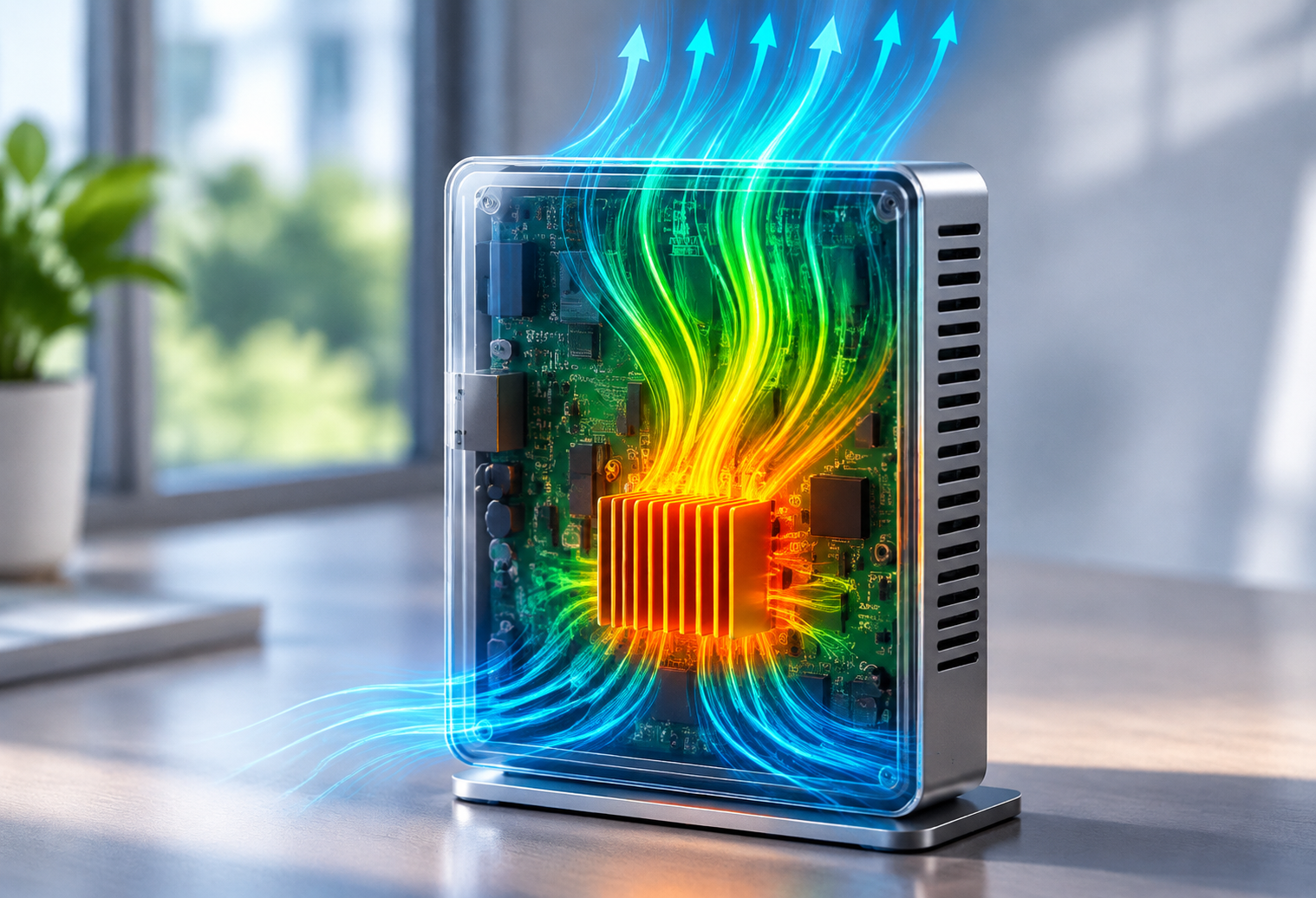
Natural convection is one of the primary cooling mechanisms in compact electronic systems. By visualizing airflow patterns and heat transfer characteristics, CFD analysis helps engineers identify thermal bottlenecks, evaluate design alternatives, and enhance product reliability before physical prototyping.
1. Natural Convection Phenomena in Compact Electronic Devices
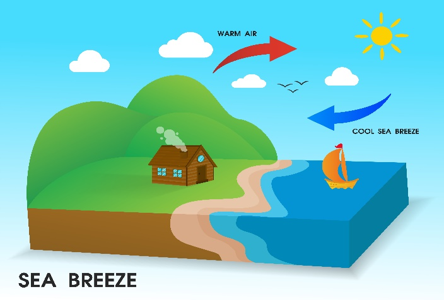
Natural convection refers to fluid motion driven by temperature differences, where warmer fluid rises and cooler fluid descends. It is a common phenomenon observed in nature and is also frequently encountered in electronic equipment.
In electronic devices, heat generated by components naturally induces buoyancy-driven airflow, resulting in convective heat transfer within the enclosure.
From a design perspective, airflow velocities caused by natural convection are generally low and may sometimes be approximated using empirical correlations without detailed simulations. However, when evaluating component temperatures, heat sink performance, and local thermal behavior, detailed CFD and thermal analyses become essential.
2. Why Is CFD Analysis Important for Compact Electronic Devices?
Natural convection is one of the most important heat transfer mechanisms in compact electronic equipment. It directly influences internal temperature distribution and cooling performance.
The temperature distribution inside electronic devices has a significant impact on reliability and performance. Uneven temperature distributions may cause localized overheating of specific components, reducing operational stability and shortening product lifetime. Accurate prediction of airflow and heat transfer behavior through CFD analysis enables engineers to understand thermal interactions between components and evaluate cooling effectiveness during the design phase.
Furthermore, thermal simulation provides an efficient approach for optimizing cooling performance without relying solely on physical testing. This helps improve energy efficiency, reduce development costs, and prevent excessive temperature rise during operation.
3. What Should Be Considered in Natural Convection Analysis?
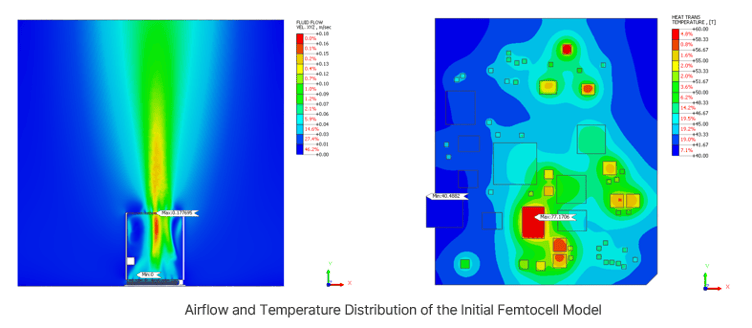
In natural convection analysis, special attention must be given to component arrangement and buoyancy-driven airflow patterns. In vertically installed electronic systems such as femtocell devices, rising warm air can create temperature gradients and thermal concentration around critical components.
.....
Explore the Full Resource
Get practical insights, proven approaches, and real-world engineering examples